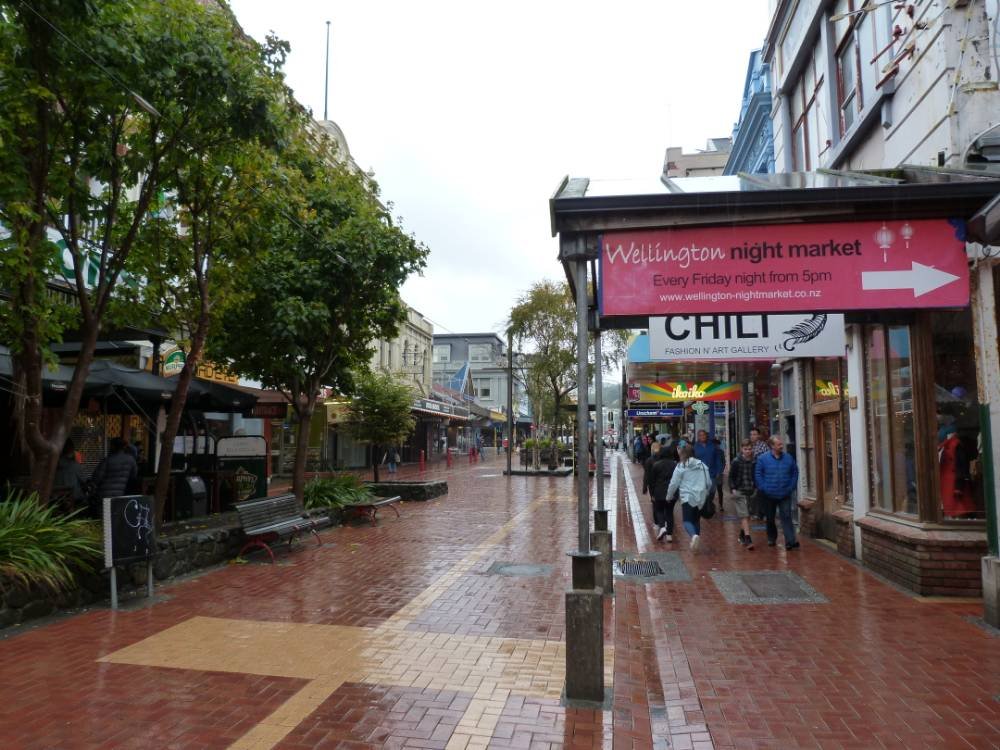
April 21, 2019 / Wellington
After three picture perfect days, it was a wet start in windy Wellington. Thankfully, I’d packed a jacket with hoodie and an umbrella. Both came in handy as I walked over to Te Papa, the national museum of New Zealand. It was Sunday, the entry to museum is free and it was raining – the perfect recipe to make the museum a busy and popular attraction today.

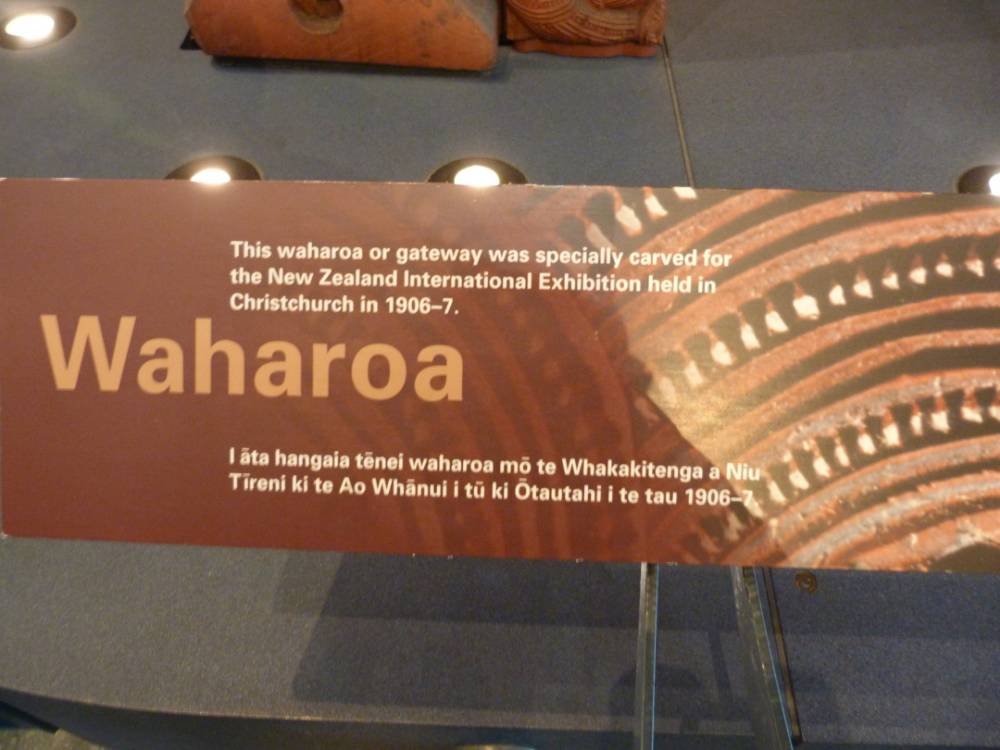
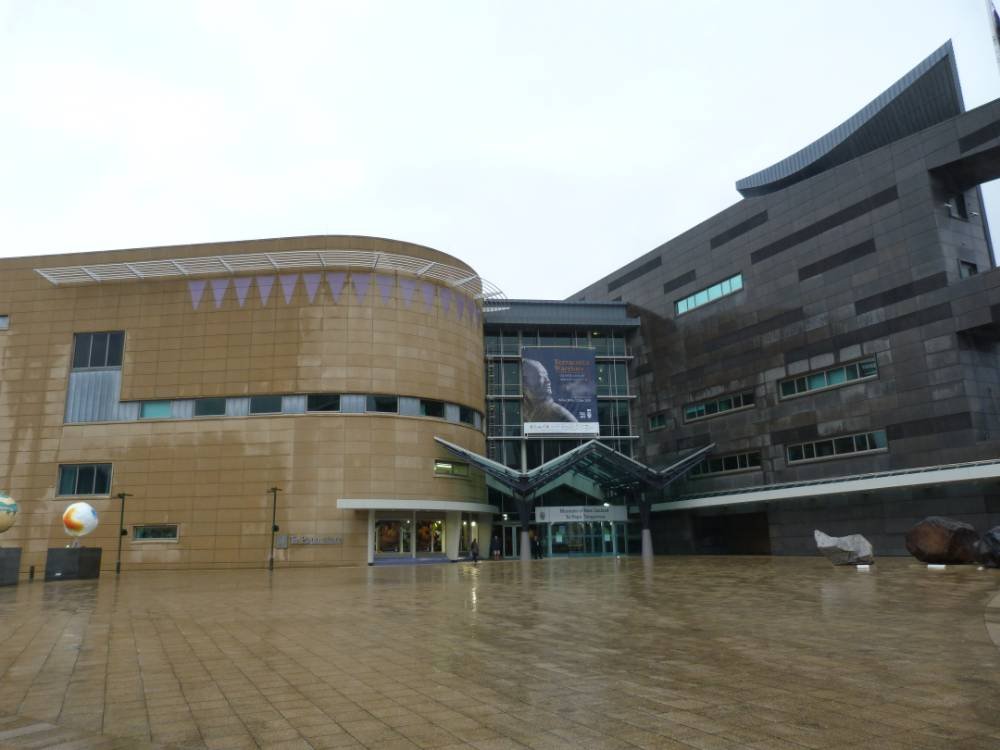

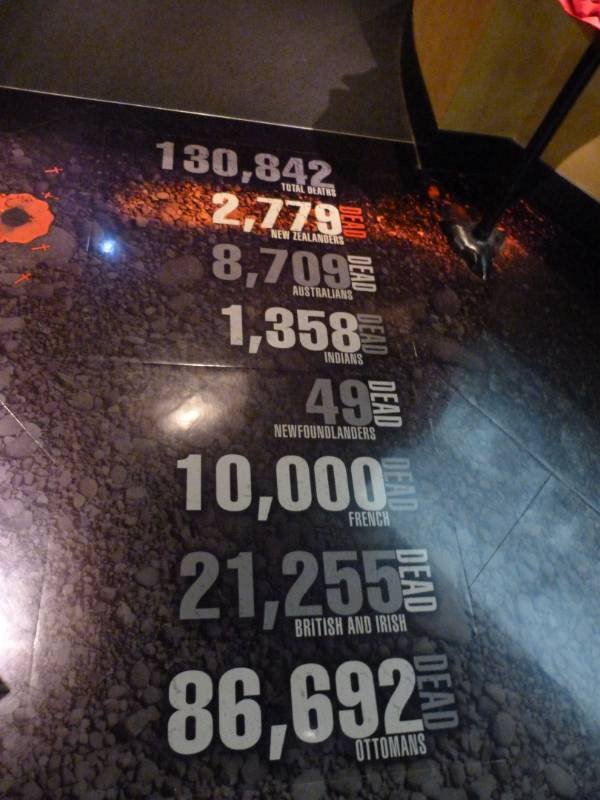
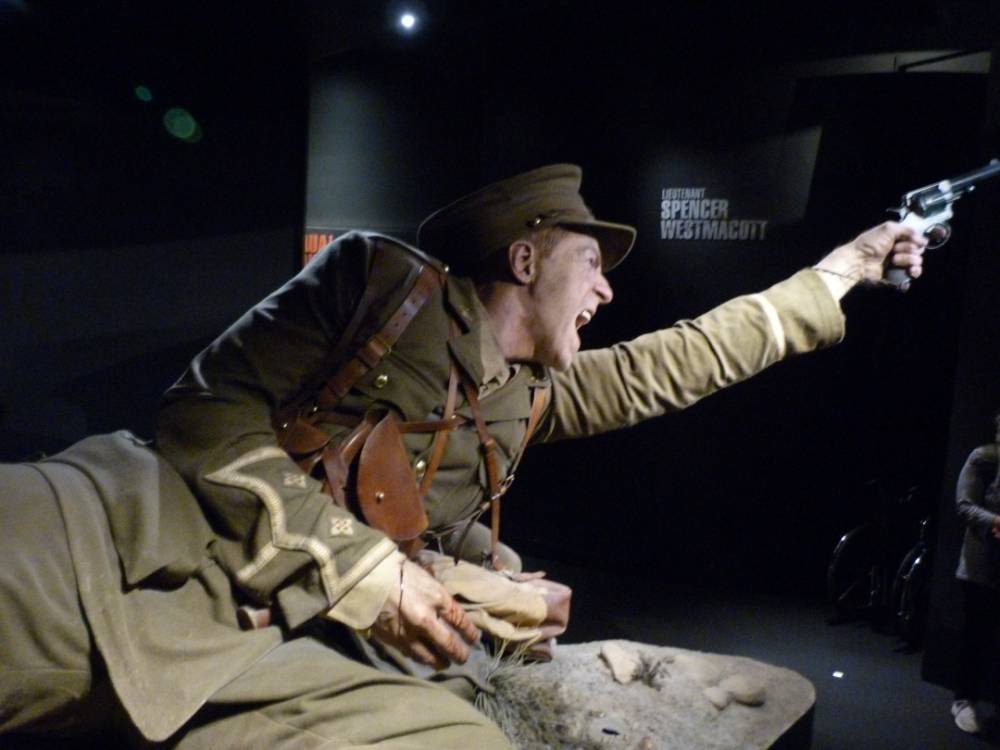
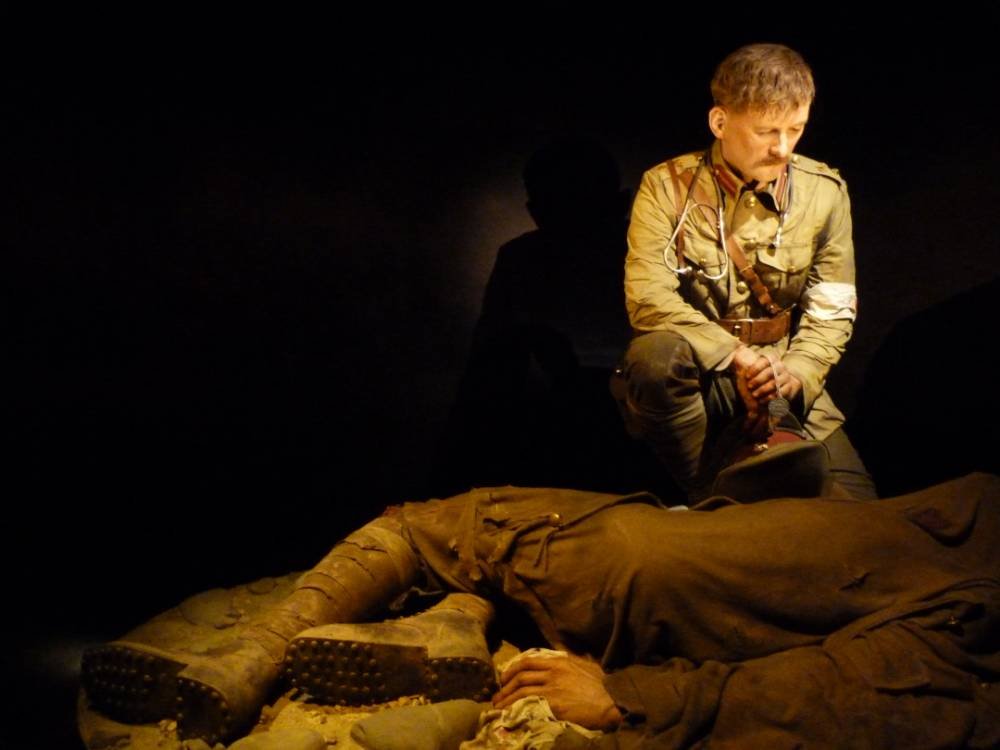
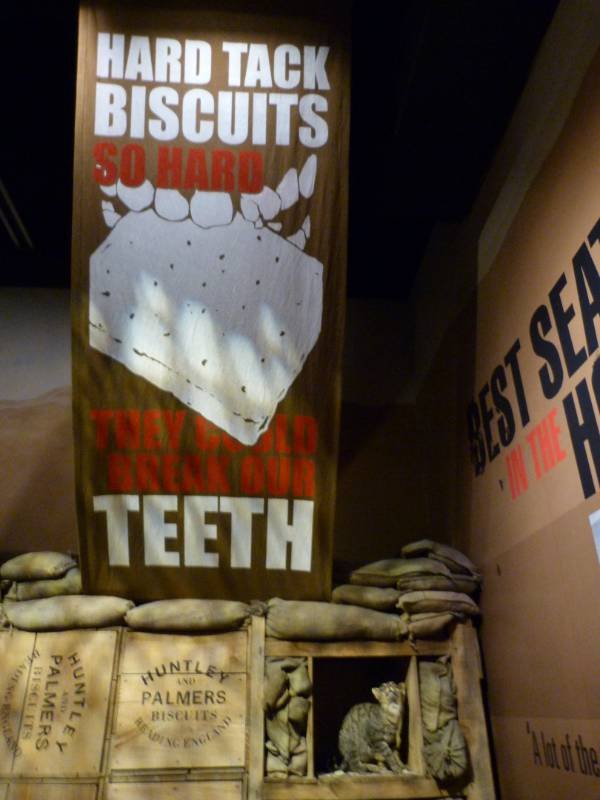
The museum is huge and has exhibits in six levels. On level 2 is Gallipoli, the story of New Zealand’s 1915 campaign in WW I. The exhibit opened on the centennial anniversary of the campaign and in 2017, won the acclamation for the best exhibition. It is easy to see why: the exhibits take you through the 1915 war campaign when NZ army joined forces with the Aussies fighting the Turks / Ottomans in Gallipoli for the British Empire. Realistic and breathtaking exhibits are interwoven with videos, pictures and stories of the war that left more than 130,000 dead – 86,000 Ottomans and the remaining belonging to the allied forces, including 2779 New Zealanders.
India also fought in the war and lost 1358 lives. I left the exhibit wondering about the 2nd class treatment of Indian involvement in the wars for British Empire.

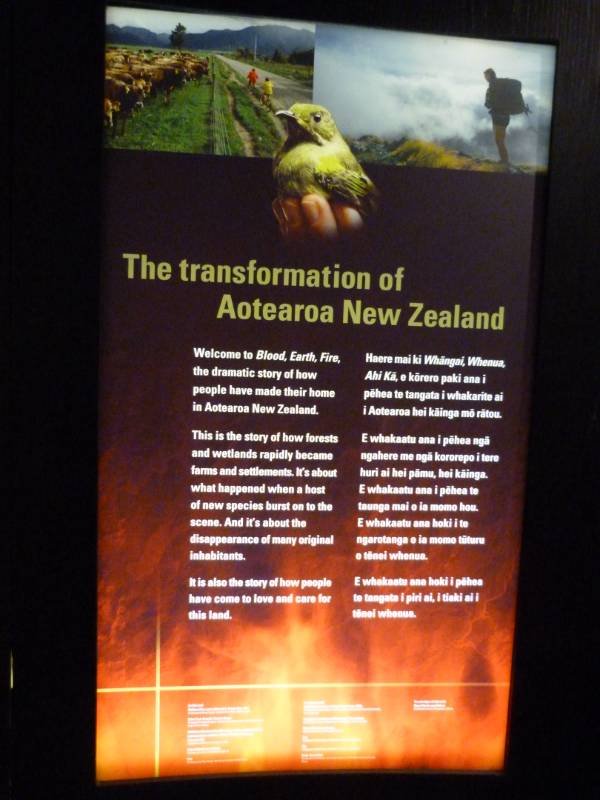
The 3rd level is about the rape of New Zealand by European settlers who took the land from the Maoris who had settled the islands in 13th century. With unbelievable alacrity in just 40 years, the settlers introduced various flora and fauna for their comfort that forever altered NZ. Today, the country is at least acknowledging the harm inflicted to the land and is taking efforts to reversing some of the damage, though it remains to be seen if it is even feasible.
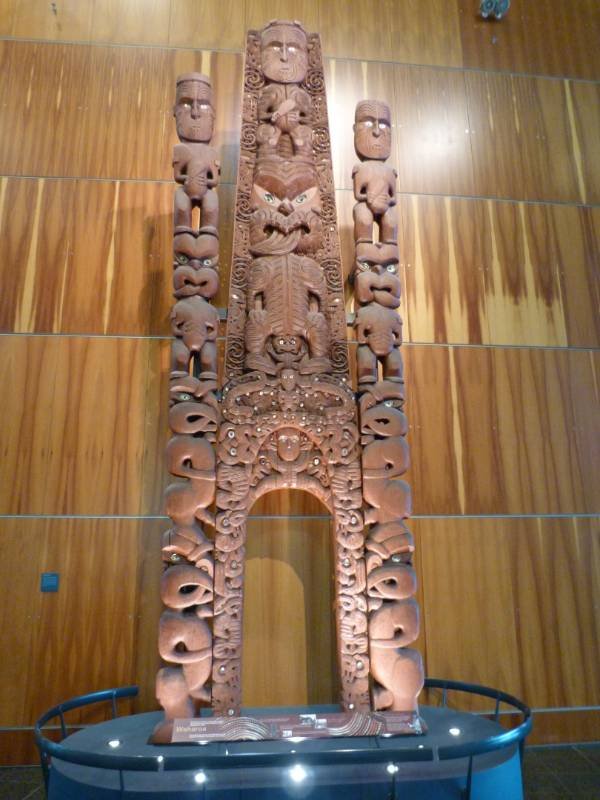
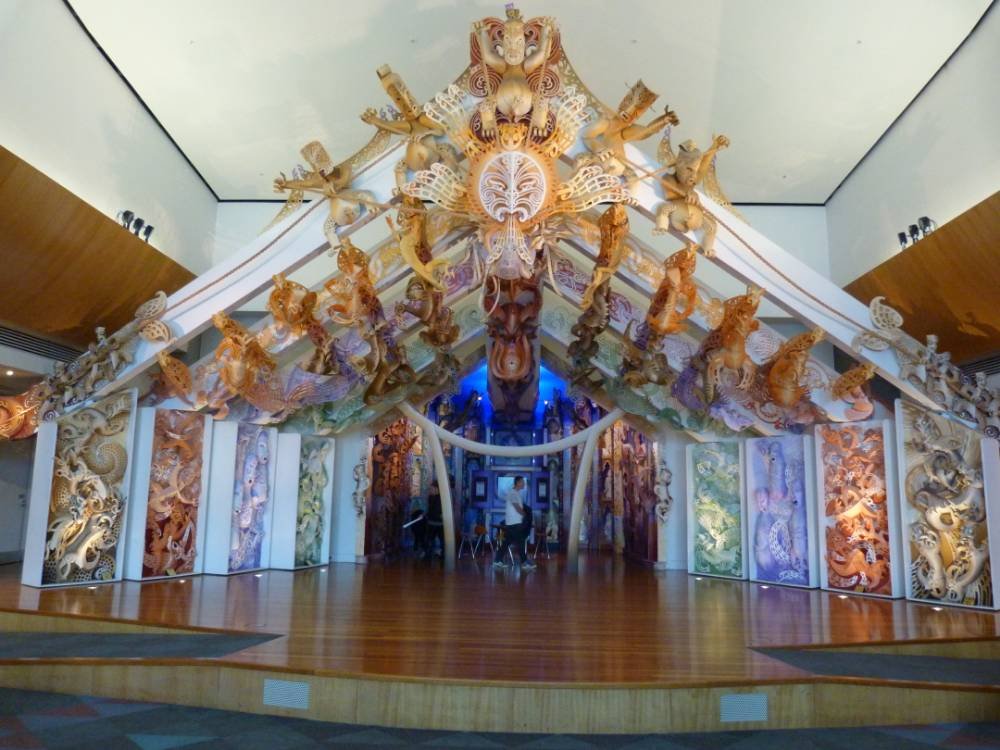
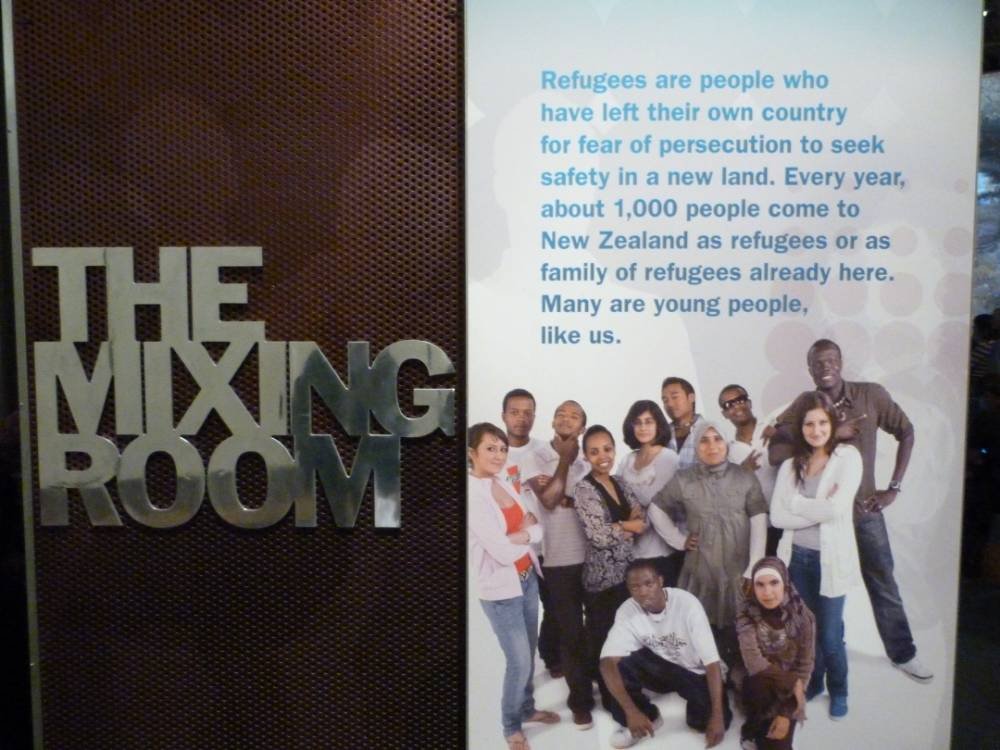
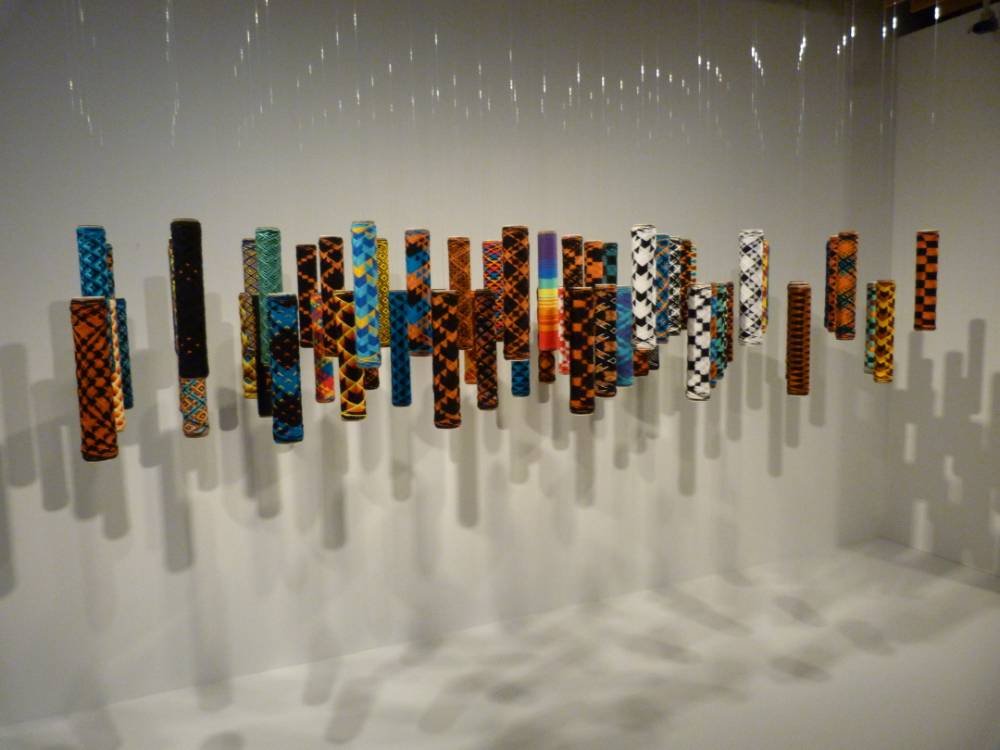
Level 4 was a mix of various exhibits. Maori culture and their way of life, NZ and refugees, NZ and immigrants and the motorbike that New Zealander Brittan had self designed.
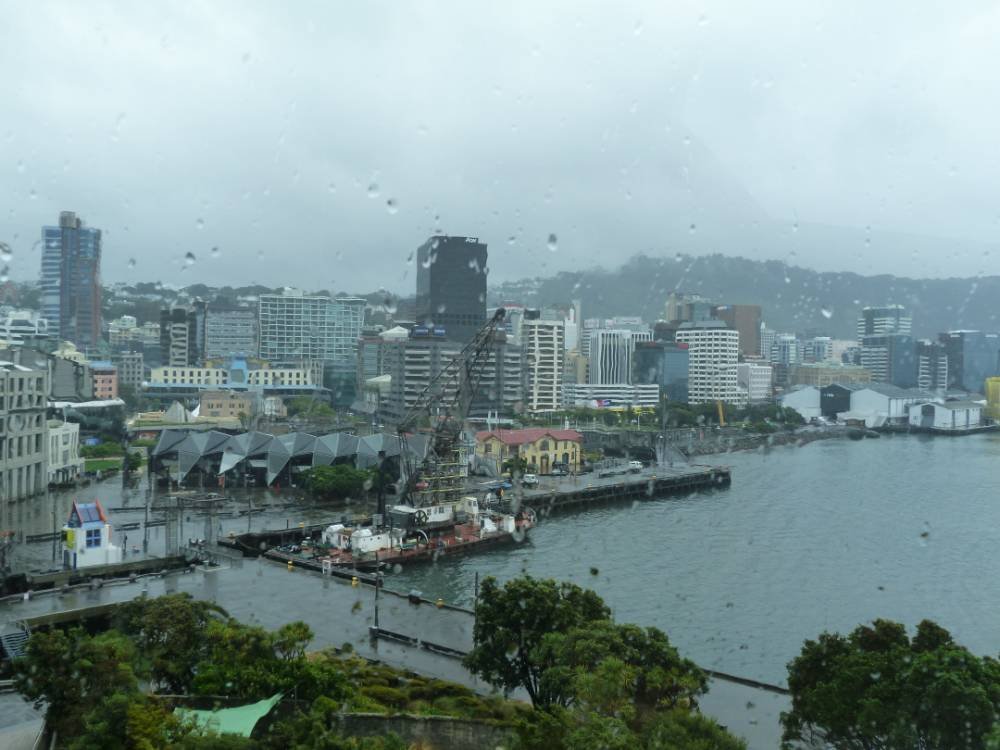
Level 5 was devoted to art exhibits of various kinds. Finally, level 6 had a viewing platform that provides some great views of the harbor and bay. Unfortunately, the rain made it difficult to spend time in the viewing platform and take some good photos.


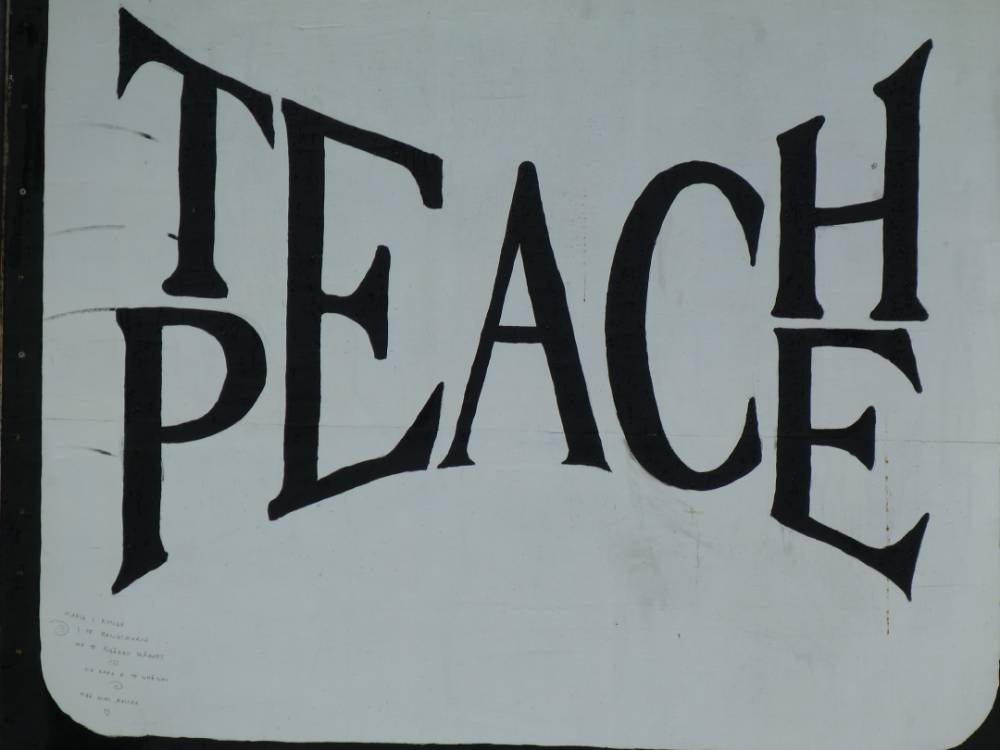
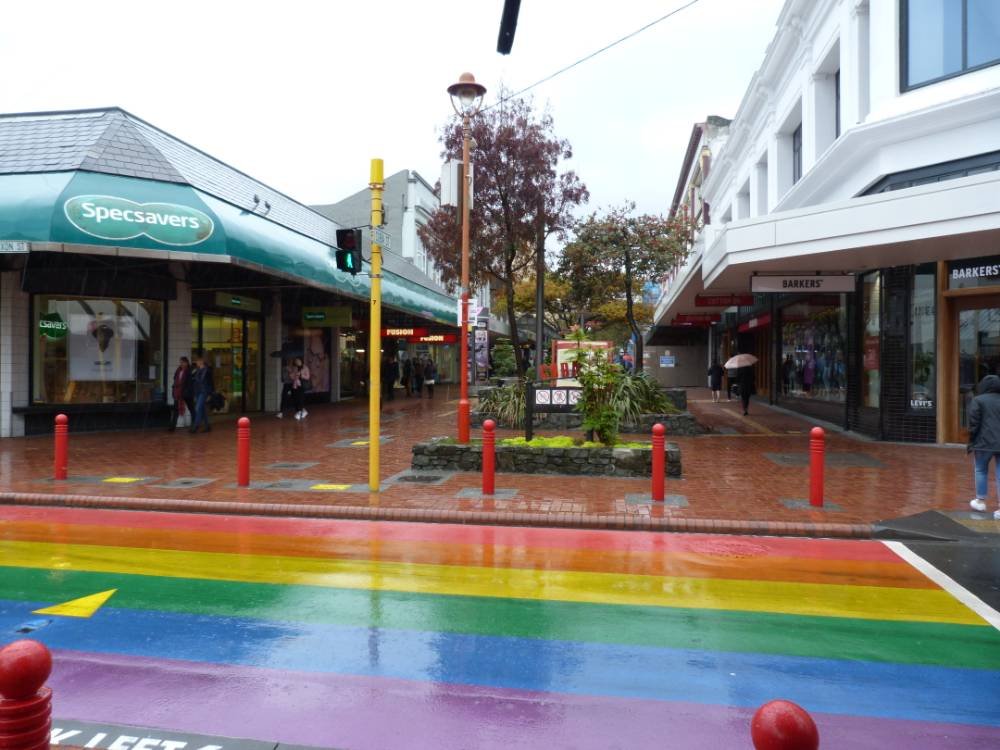
From Te Papa museum, I walked to Cuba street. A delightful and colorful street filled with local culture, eateries and shops. I had lunch at Lord of the Fries, a vegan restaurant where the beer cost me more than my burger and fries!
After lunch, I decided to make my way to the Botanic garden and ride the cable car, a Wellington special attraction. I chose to walk through Te Aro residential area and Wellington University which involved some serious climbing. Although I was rewarded with some excellent views of capital, I wouldn’t recommend this walk to everyone.


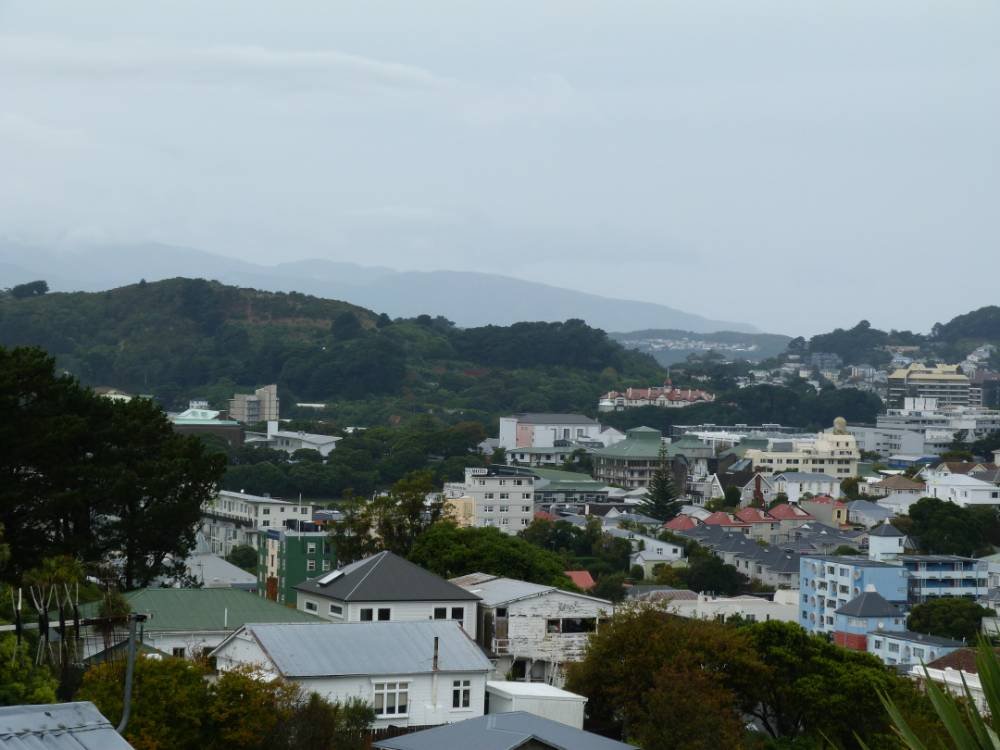
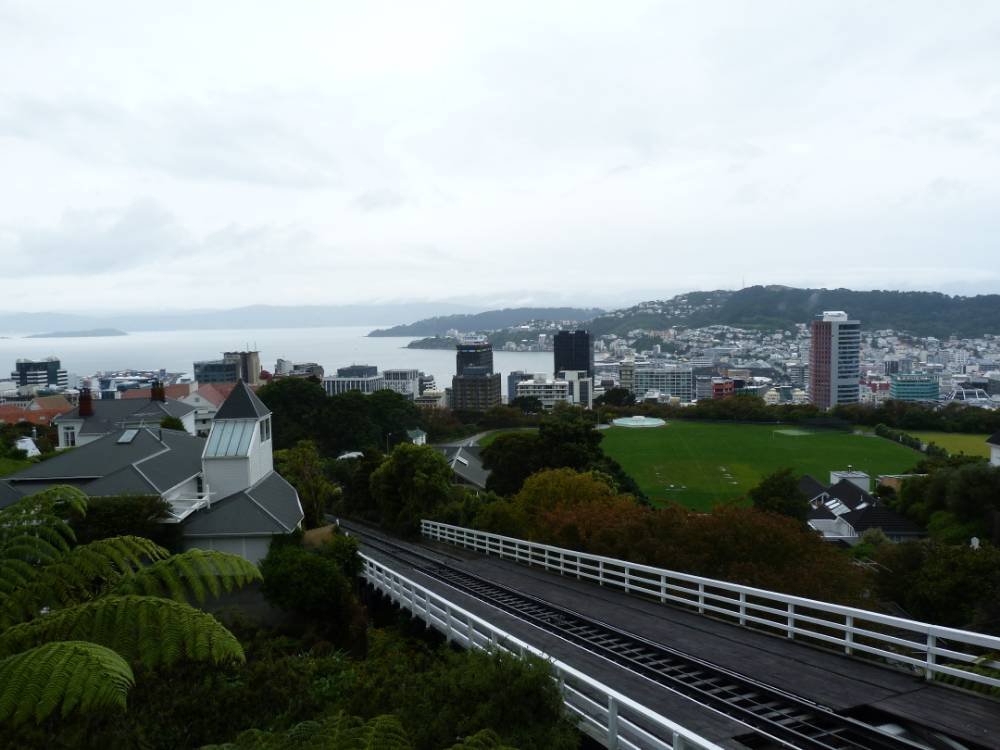
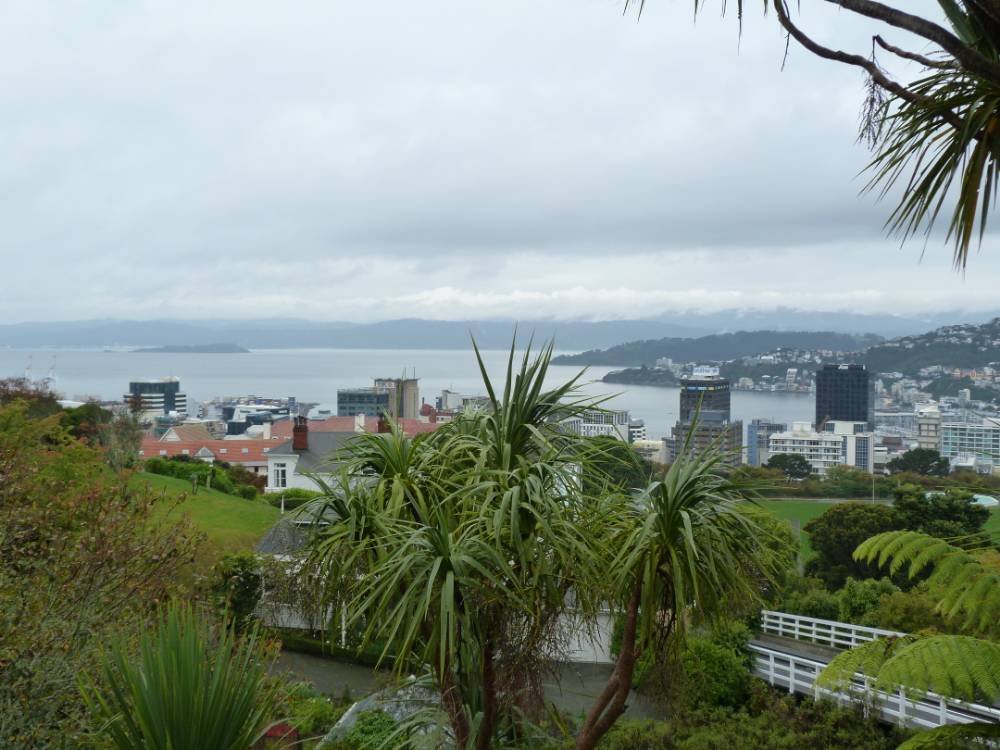
Tourists typically ride the cable car from Lambton quay to top of the hill and back. I happened to do it the other way, having reached the top of the hill at the end of my walk from Cuba St. This spot also offers some excellent scenic views of the city and waterfront downhill.
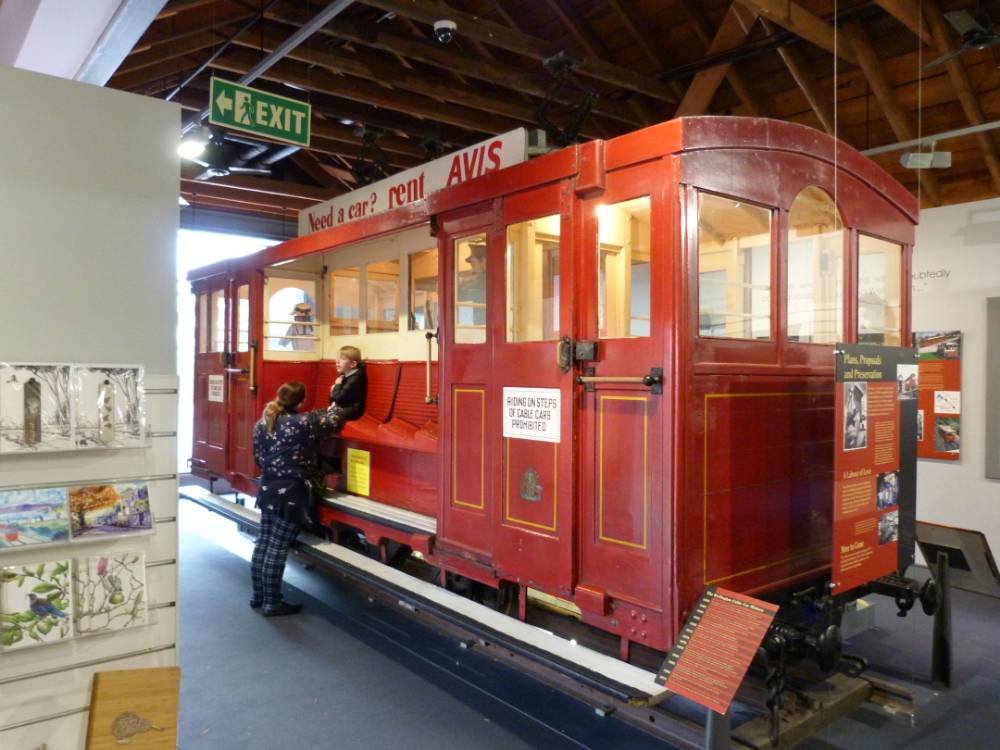
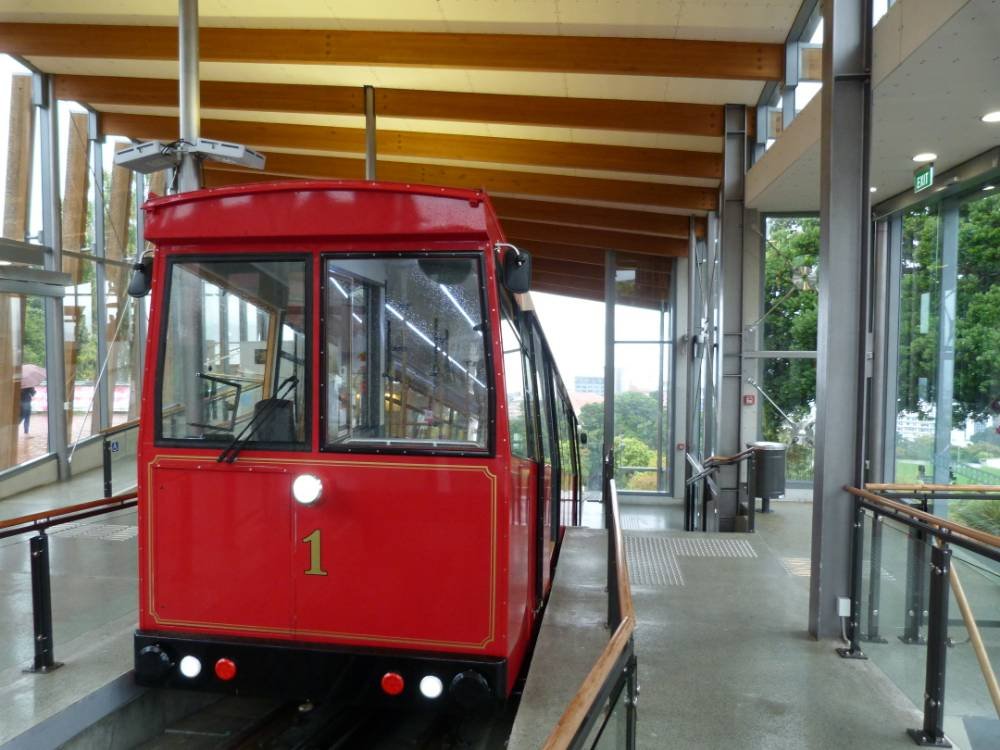
The cable car ride was a unique experience, passing through couple of tunnels that were colorfully lit, taking about 5 minutes one way. There is also a museum on top of the hill that one can spend some time learning about the history of Wellington’s cable car.


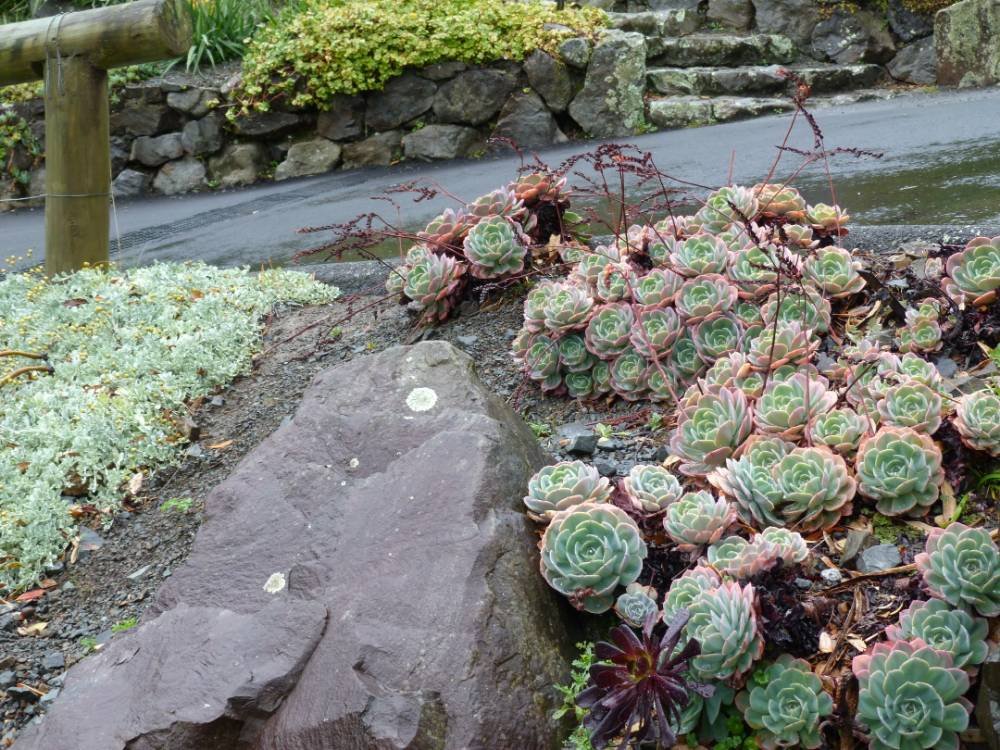
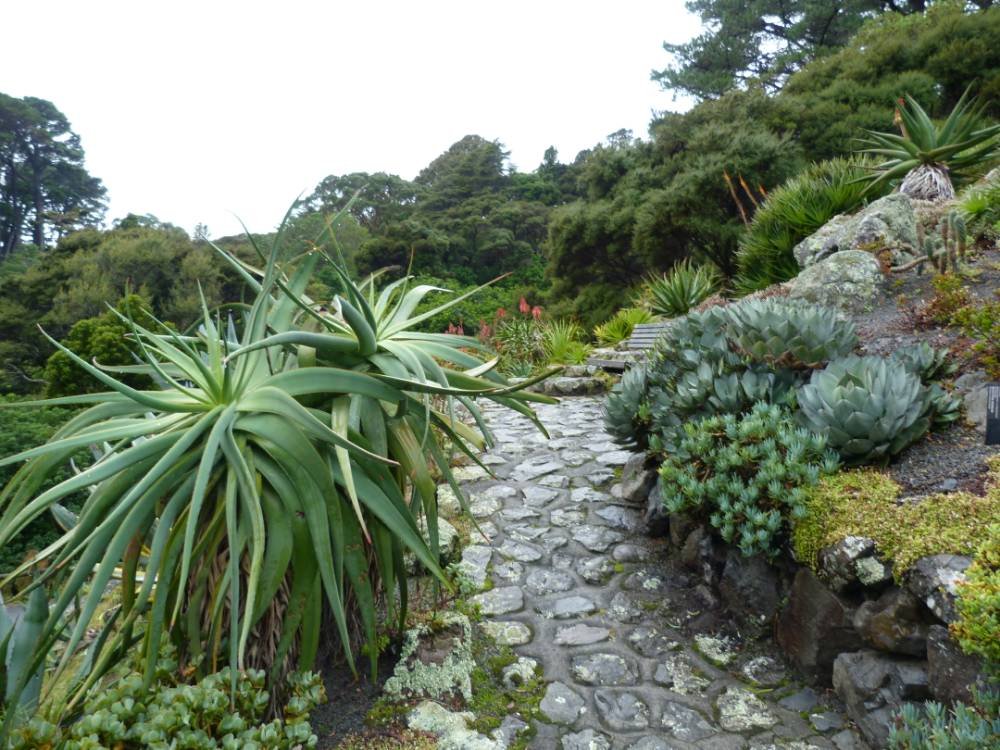
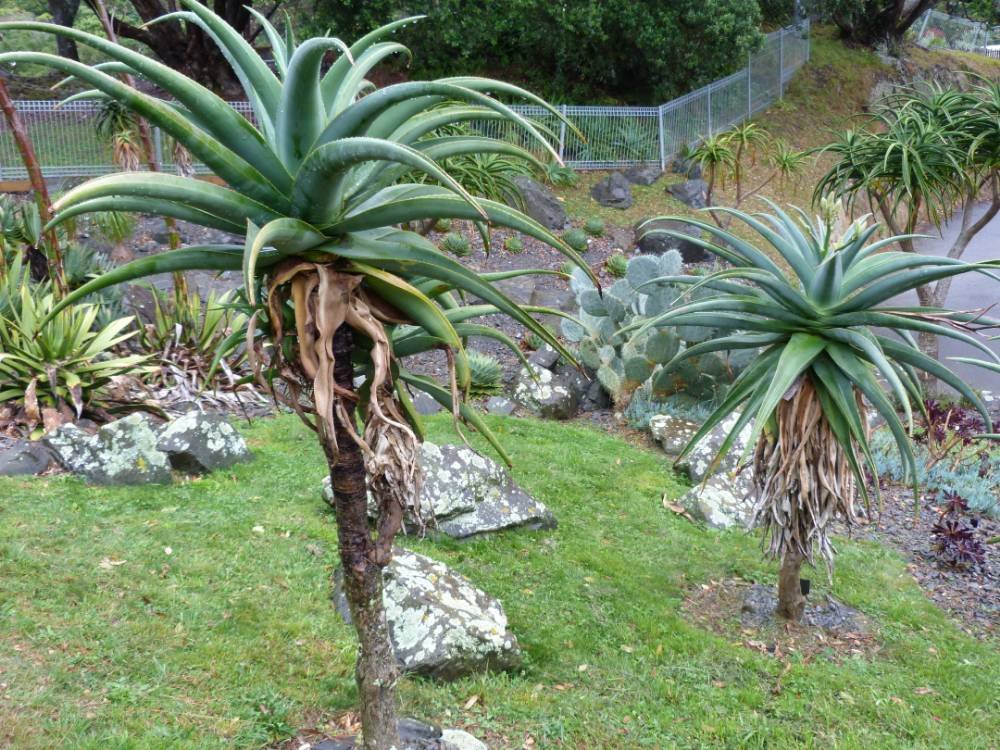
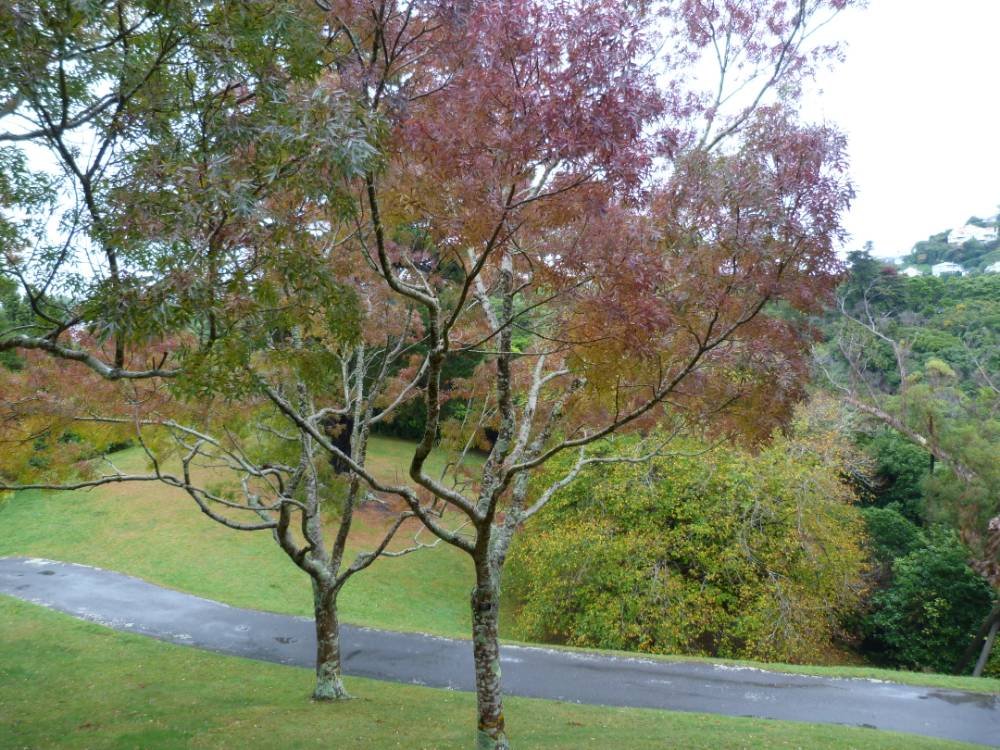
The entrance to the Botanic garden is situated at the same hill top, right next to the cable car museum. The walk through the garden will involve some climbing. The rain having let up, it was refreshing to walk by the different spots – Australian garden, hydrangeas, succulent garden, rock garden and other points of interest, some by narrow / dirt trails and others by blacktop roads.